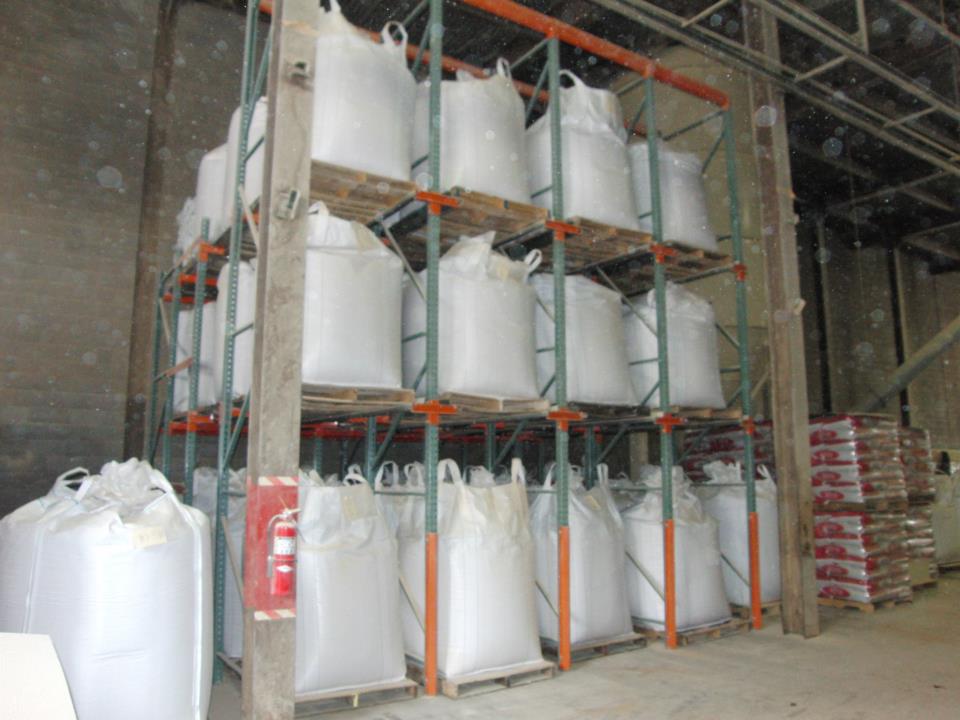
Drive-In Rack in Lancaster, OH
Drive-in rack gets asked about in Lancaster when an operation is sitting on a lot of one SKU — bulk buffer stock or a seasonal item — and the floor space going into aisles between pallets starts to feel wasteful. Wholesale suppliers and industrial manufacturers around Lancaster Industrial Park and the River Valley area are the ones most likely to carry that kind of load.
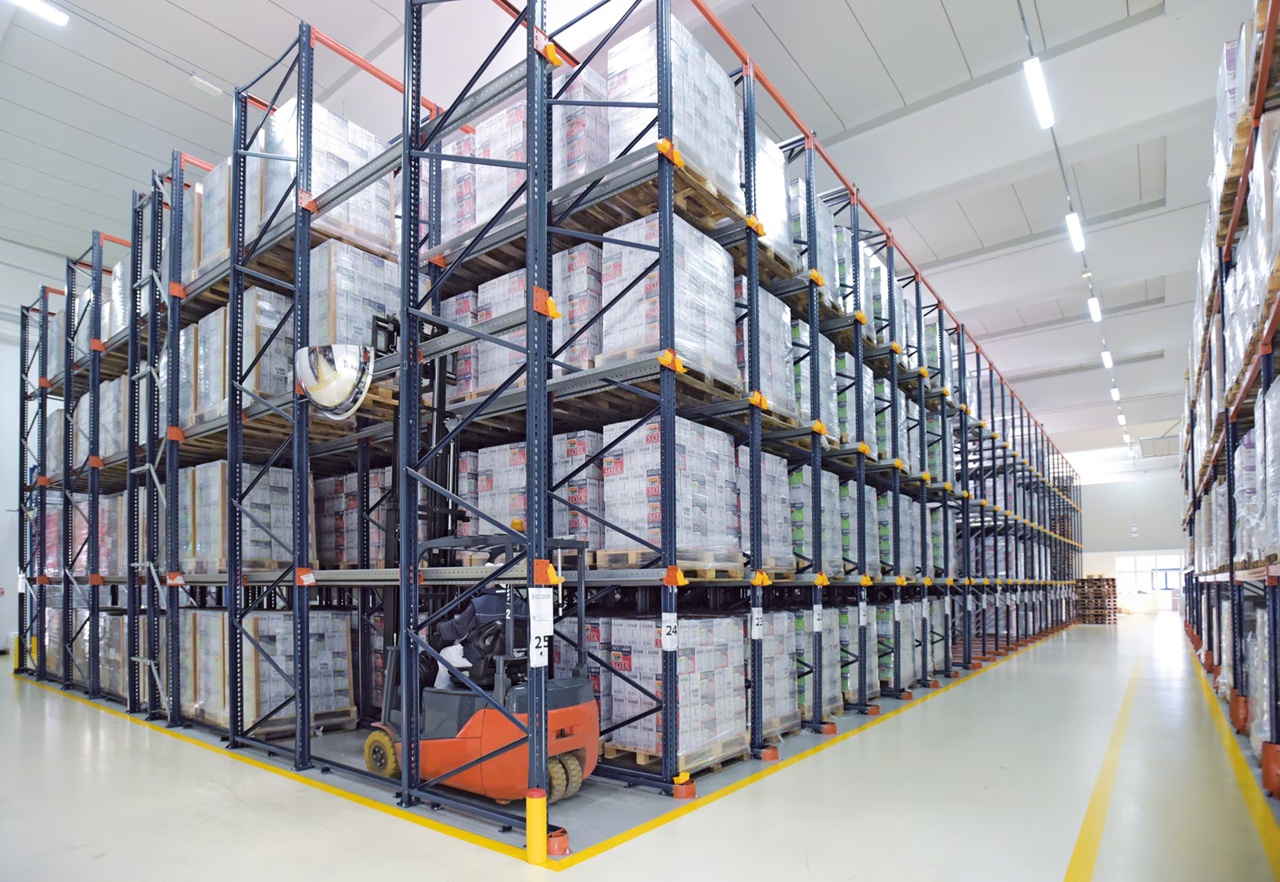
A forklift drives directly into the rack structure and sets pallets on continuous rails rather than individual beam levels, so one lane can hold pallet after pallet at the same elevation with no aisle between them. Opening a single end of the lane gives the most positions per square foot but runs last in, first out; opening both ends gives up a few positions in exchange for first-in, first-out access.
Why Lancaster Warehouses Work With Us
Buildings along the US-33 southeast corridor carry different column grids depending on when they were built, from older shells near Memorial Drive to newer spans closer to Ety Road, and drive-in rail depth has to be set against the actual column spacing rather than a standard lane length.
Lancaster's wholesale suppliers and industrial manufacturers around Lancaster Industrial Park and the River Valley area typically carry large volumes of a small number of SKUs, which is the load pattern that makes drive-in rack worth the trade-off of only accessing a lane from one or two ends instead of every position individually.
Based in Fairfield County, the rail depth, column spacing and forklift clearance for a drive-in system get checked against the real building before steel is ordered, since drive-in lanes are unforgiving of a layout that's off by even a few inches on rail width. We keep site notes and measurements on file after the first visit to Lancaster, so a follow-up visit or a later phase of the same project does not start from a blank sheet.
Operations We Rack Around Here
Nearby areas we work in regularly include the US-33 southeast corridor, Lancaster Industrial Park, River Valley, Memorial Drive corridor, Ety Road.
How Drive-In Rack Works
Storage lanes replace internal access aisles. Forklifts enter the structure to handle bulk pallets.
Continuous rails, not beams
Pallets rest on rails carried by upright frames rather than individual beam levels, so a lane accepts pallet after pallet at the same elevation.
The truck enters the lane
The driver travels inside the bay to place or retrieve each load. Lane width, rail height, and mast clearance get dimensioned to that specific truck, not a generic one.
One open end or two
One open end gives LIFO and the highest density available. Two open ends give FIFO with slightly fewer positions, since each lane now needs clearance from both sides.
Guarding built into the design
Guide rails, column guards, and rail-end protection are part of the spec from the start, because lift trucks enter the structure during loading and retrieval.
What a Lancaster Drive-In Rack Project Includes
A drive-in rack project for a Lancaster building starts with the pallet load: dimensions, weight, how many SKUs need bulk lanes, and whether the operation can work with last-in-first-out access or needs both ends open for rotation. Those answers set rail depth, lane count and column spacing.
The forklift drives into the structure and sets pallets on continuous rails rather than individual beam levels, so a lane accepts pallet after pallet at the same elevation with no aisle taking up space between positions. Driver clearance inside the lane has to match the forklift actually in use, since a mismatch there is the most common cause of rack damage in drive-in systems.
For buildings around Lancaster Industrial Park and the River Valley area, lane depth and column spacing are drawn against the building's clear height and existing grid, then compared to a selective layout on the same footprint so the position density gain is visible against the loss of per-pallet access.
Installation crews anchor frames and rails to the floor, verify rail alignment down the full lane depth before loading begins, and label each lane with its rated capacity and access direction. Later changes to lane count or depth are drawn off the original layout rather than measured from scratch. Any revisions to the layout after the initial walkthrough are priced and documented before steel is ordered, so the scope stays tied to what was actually measured on site.
Recent Installations
Racking projects completed for warehouses across Central Ohio.


Get a Drive-In Rack Quote for Your Lancaster Warehouse
Send the basics and we will follow up with a layout and pricing. Prefer to talk it through? Call 614-379-4436.
Columbus Pallet Rack
4551 Wright Ave.
Unit #2092
Columbus, OH 43213
614-379-4436Monday - Friday: 8:00 AM - 6:00 PM
Drive-In Rack Questions We Hear Most
Warehouse Storage Services in Lancaster
Pallet Rack
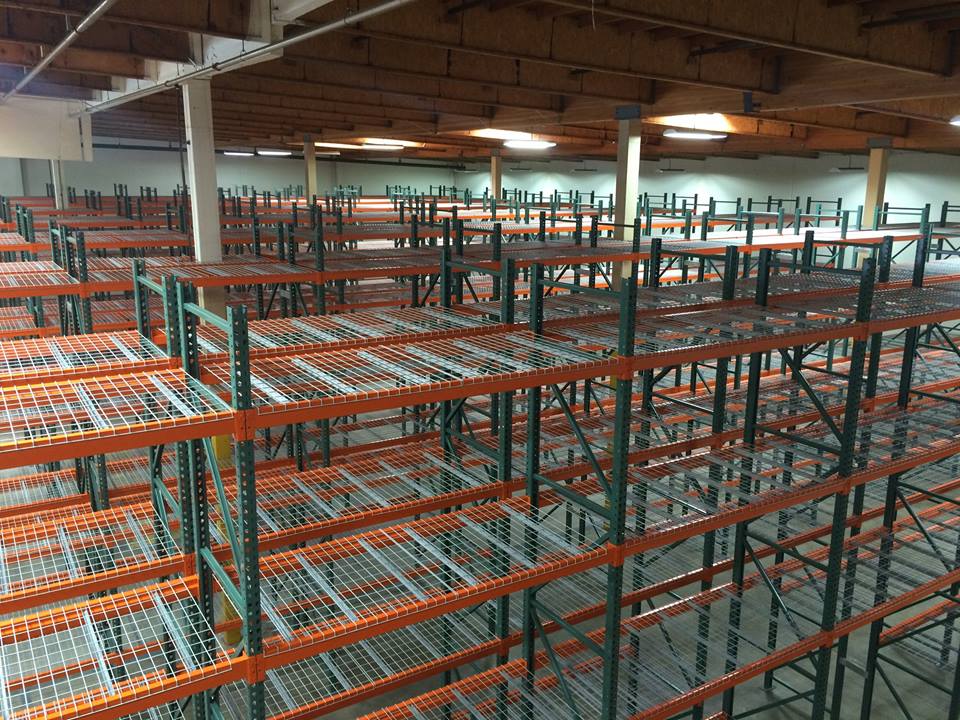
Every pallet reachable, every time. The baseline we size everything else against.
View details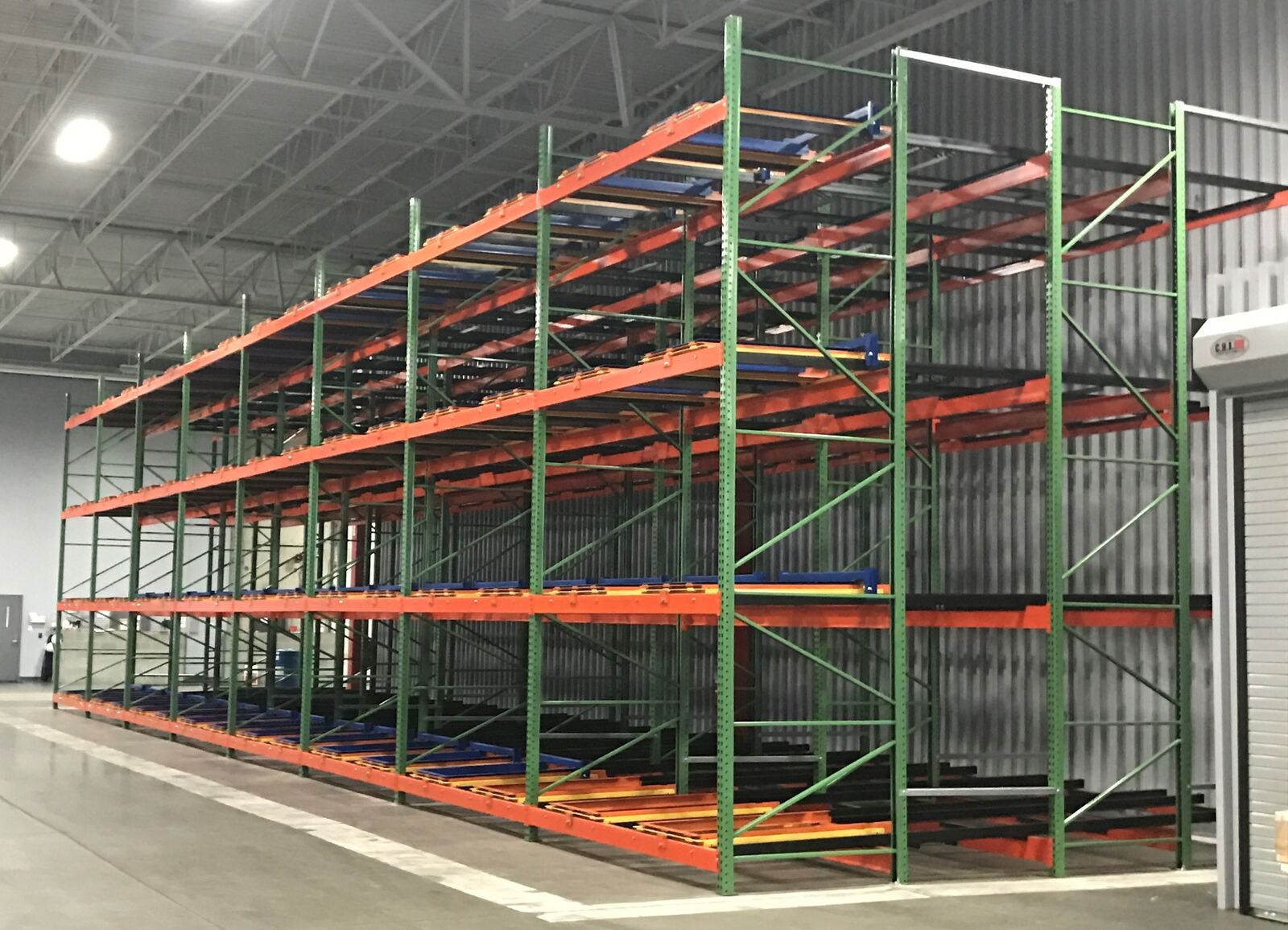
Pushback Rack
Two to six pallets deep from one aisle, without giving up much reach.
View details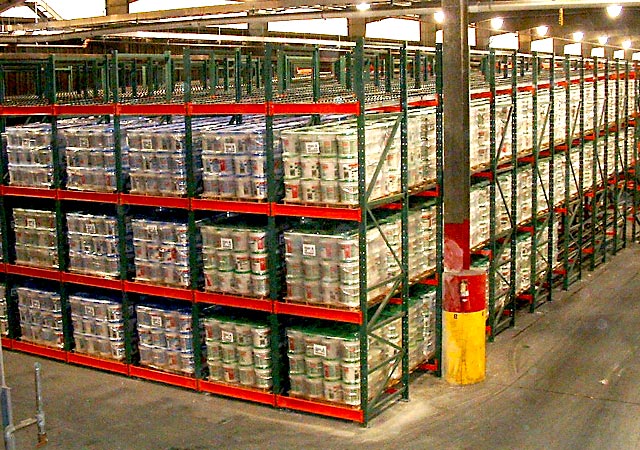
Pallet Flow Rack
Load one side, pick the other, and let gravity enforce first in, first out.
View details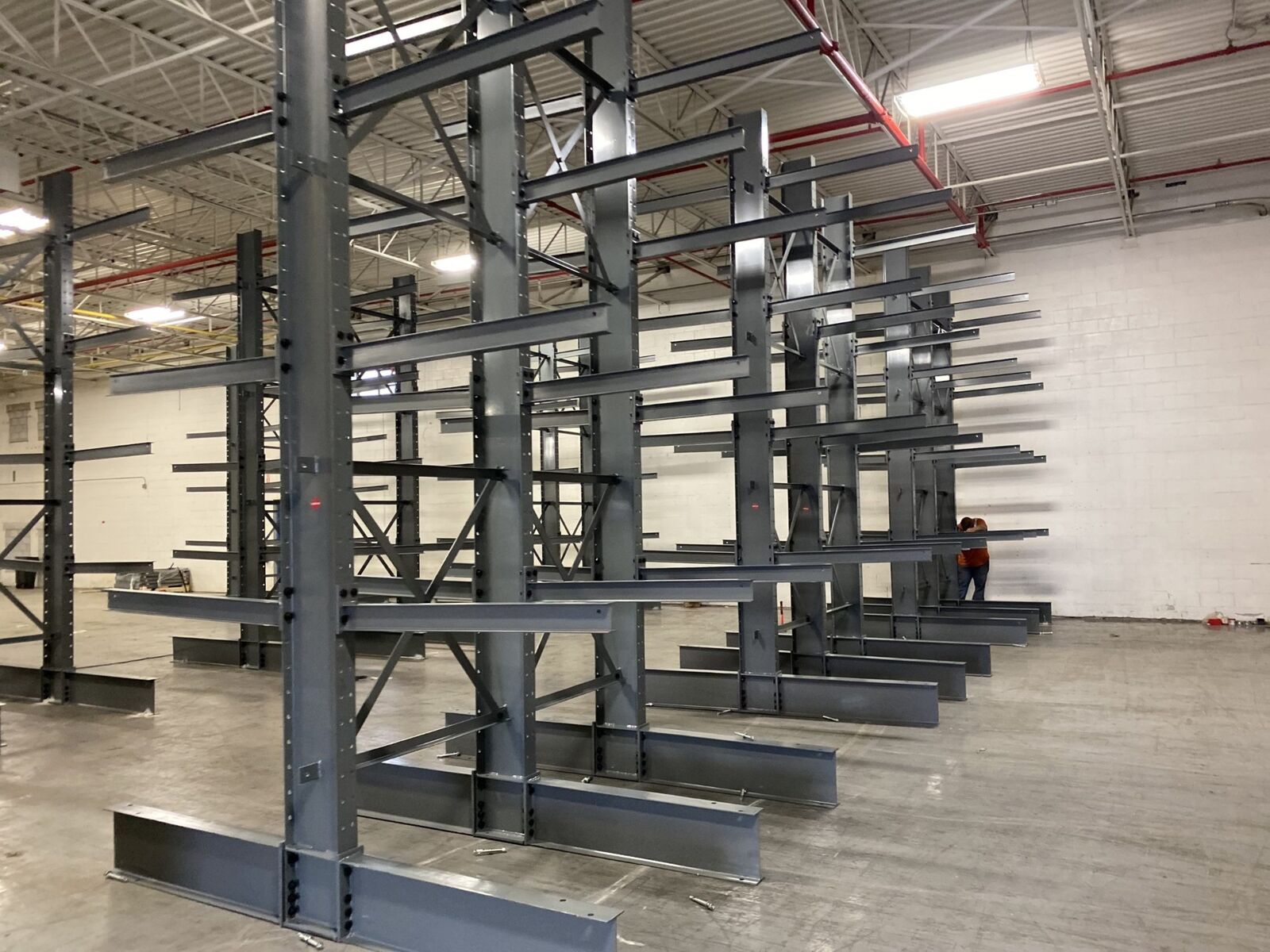
Cantilever Rack
Arms with nothing in front of them, built for lumber, pipe, and anything a pallet can't hold.
View details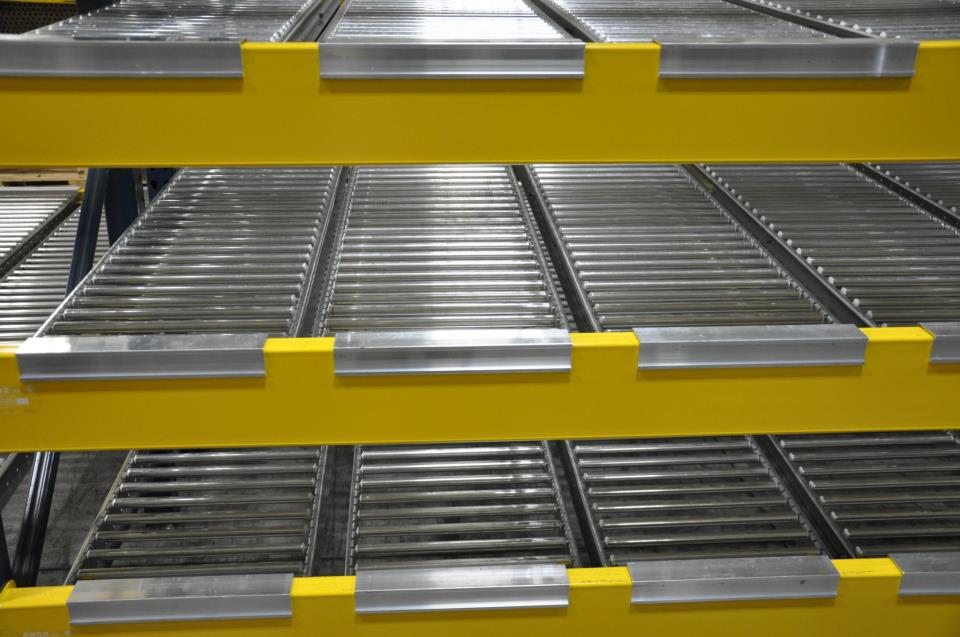
Carton Flow Rack
Cases advance to the picker instead of the picker hunting for cases.
View detailsWarehouse Relocation
Moving buildings without losing the racking plan that already works for your operation.
View detailsNearby Areas We Also Serve
Our delivery and installation territory covers Central Ohio, so one team can handle multiple buildings for the same company.
Where We Work
Located in Columbus, we serve the entire Greater Columbus region with industrial pallet racks and warehouse storage solutions.
Columbus Pallet Rack
Address
4551 Wright Ave.
Unit #2092
Columbus, OH 43213
Phone
614-379-4436Business Hours
Monday - Friday: 8:00 AM - 6:00 PM
Saturday: Closed
Sunday: Closed
Need Drive-In Rack in Lancaster?
Call 614-379-4436 or request a quote and we will get a layout started.