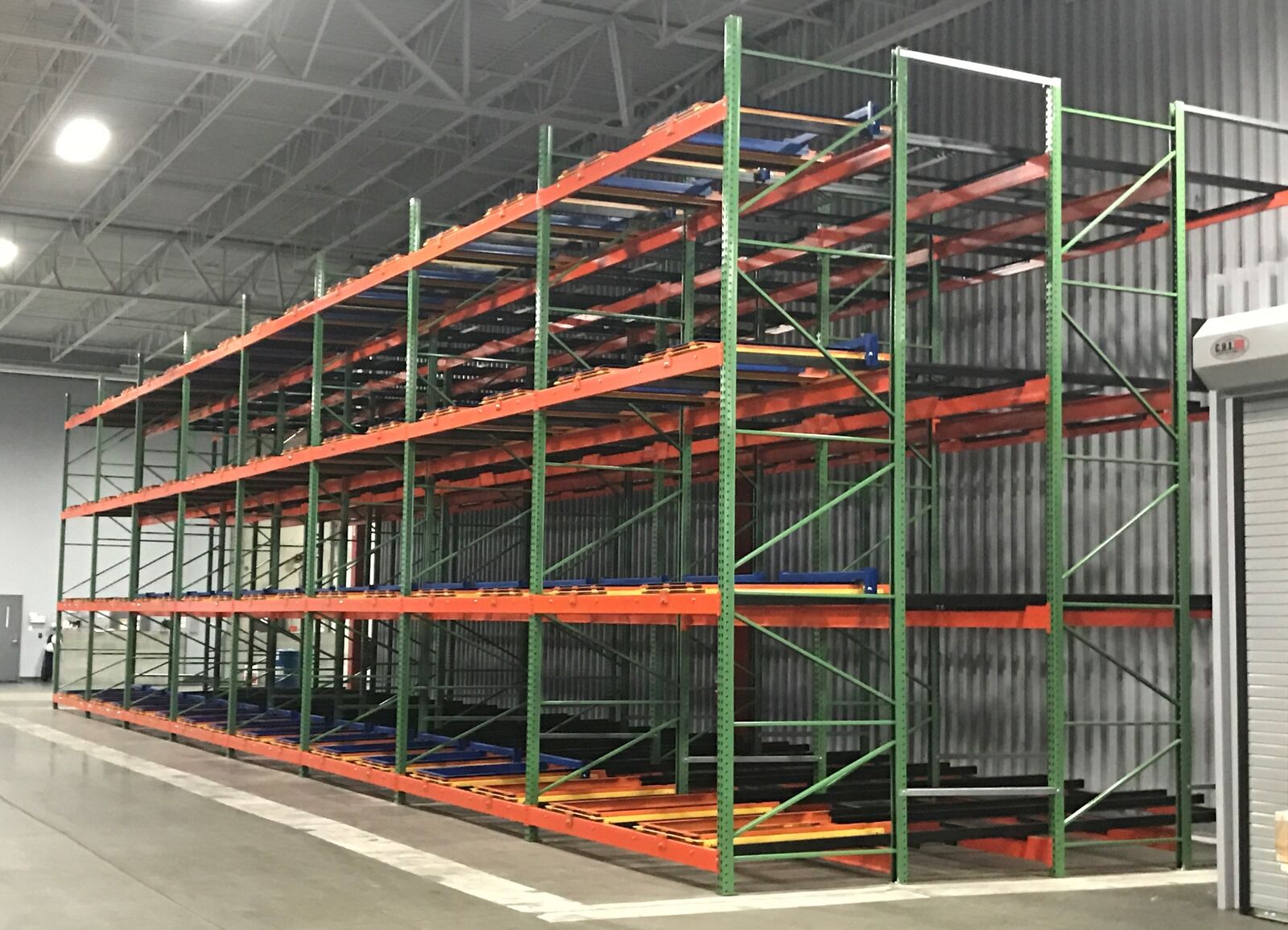
Pushback Rack in Delaware, OH
Pushback rack in Delaware should follow the balance between production batches and the number of items kept in reserve. Manufacturing around Delaware Commerce Park can produce repeated pallets of one part, while building supply inventory may spread across many sizes. Those patterns call for different lane depths even when the pallet dimensions match. Dense storage earns its space only when matching loads can occupy the positions behind each face.
Along the US-23 corridor, we would map inbound material, finished goods and dispatch separately. A last-in, first-out lane can suit interchangeable reserve, but it should not interrupt a production sequence that requires a particular earlier lot. Selective access remains valuable for short runs or less predictable stock.
Pushback rack specification for production reserve
A pushback rack lane uses nested carts running on inclined rails and stores from two to six pallets behind one opening. Loading drives previous pallets backward; removal of the aisle pallet brings the next load forward under operator control. That arrangement saves aisle area but retains LIFO retrieval. The suitability decision is therefore about access as well as position count.
For a Delaware manufacturing layout, collect footprint, load height, weight and pallet support details for both inbound and finished goods. Different loads may require different cart selections or separate lanes. We size beams for their per-pair, per-level duty and frames for their height, level spacing and total loading; no cart rating alone describes the structural capacity.
If reserve is being added beside an existing selective block, we check the original frame and beam information. Teardrop fittings do not make all manufacturers interchangeable. A documented independent assembly can avoid relying on unknown ratings in older bays.
The free CAD review shows production routes, active SKU faces and pallet counts before an itemized quote is prepared. We agree the work boundary around production and loading rather than promise a fixed installation duration. Experienced crews are scheduled and managed, the rack is anchored to the floor, and the completed lanes are checked with the specified pallets. Timing is established in the accepted quotation.
Push back racking matched to manufacturing batches
Push back racking starts with an inventory conversation in which average quantities matter as much as peaks. If a production run briefly fills six positions and the same item spends most of its cycle at two, a shallower lane may yield a more usable plan. Splitting reserve across appropriate depths is often more sensible than specifying one depth throughout the building.
Delaware Commerce Park and Curtis Street industrial provide local references for discussing manufacturing movement. We do not assume either area's buildings share a common clear height or column spacing. The measured space, truck turning requirement and path from production to staging determine where frames can sit.
We are the Columbus division of Warehouse Equipment & Supplies Co., whose equipment supply and installation have continued since 1997. That relationship keeps the consultation focused on the whole handling task. A rack block should serve material flow, including work-in-process that belongs outside deep reserve, rather than force production staff to reorganize every movement around storage.
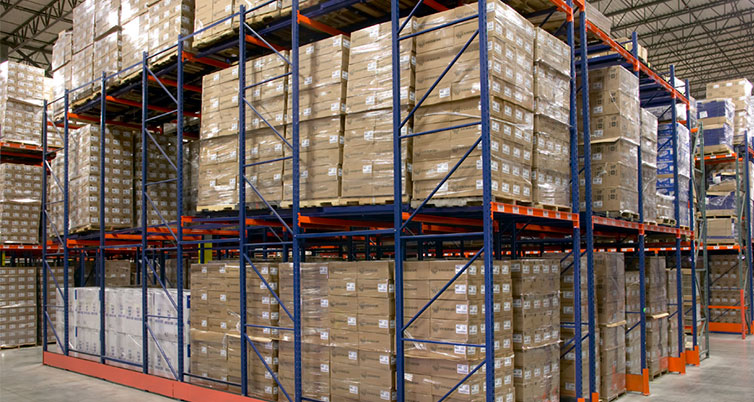
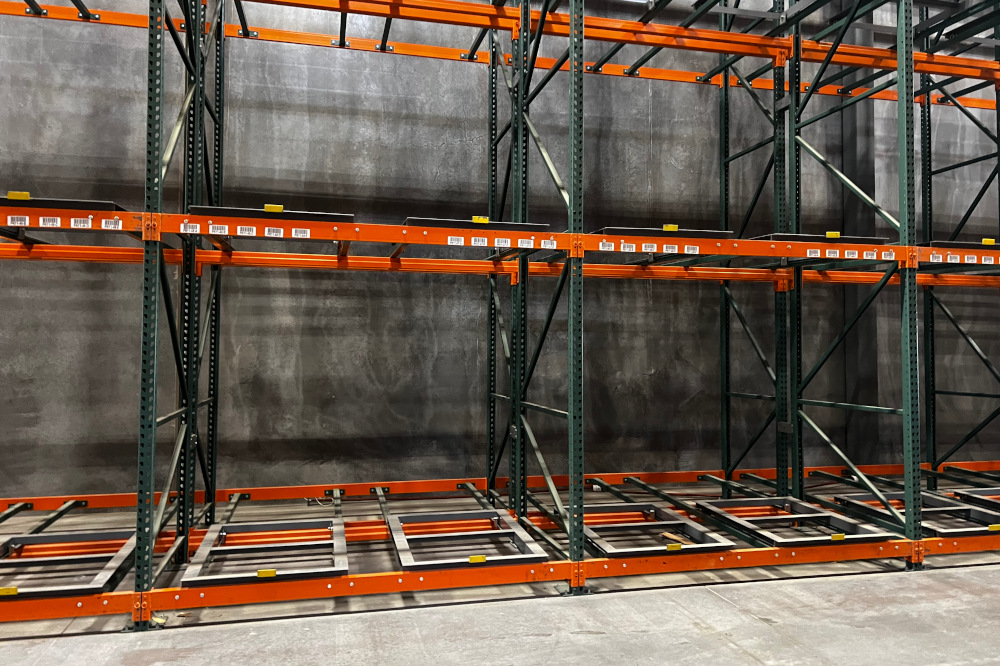
Operations We Rack Around Here
Curtis Street industrial and Delaware Commerce Park are useful anchors for a manufacturing discussion. On the US-23 corridor, finished-goods lanes should connect to dispatch without occupying the travel space assigned to production supply.
Pushback pallet rack movement and alternatives
Batch size first
Record the quantity held between production runs, not just the largest batch. Choose a depth that does not leave most rear positions unoccupied after dispatch.
Rotation test
Use LIFO reserve for equivalent loads. FIFO pallet flow is a separate comparison where production or stock rotation requires the earliest pallet to leave first.
Bulk or access
Drive-in can suit extended lots with a narrow SKU list. Selective remains the starting point for broad item variety and immediate access to every pallet.
Recent Installations
Racking projects completed for warehouses across Central Ohio.


Discuss reserve beside production
Bring the normal batch quantity, pallet weights and production routes into a free consultation. We can distinguish useful reserve depth from nominal capacity and quote the agreed equipment with the planned installation scope. Call 614-379-4436.
Columbus Pallet Rack
4551 Wright Ave.
Unit #2092
Columbus, OH 43213
614-379-4436Monday - Friday: 8:00 AM - 6:00 PM
Delaware batch-storage FAQs
Warehouse Storage Services in Delaware
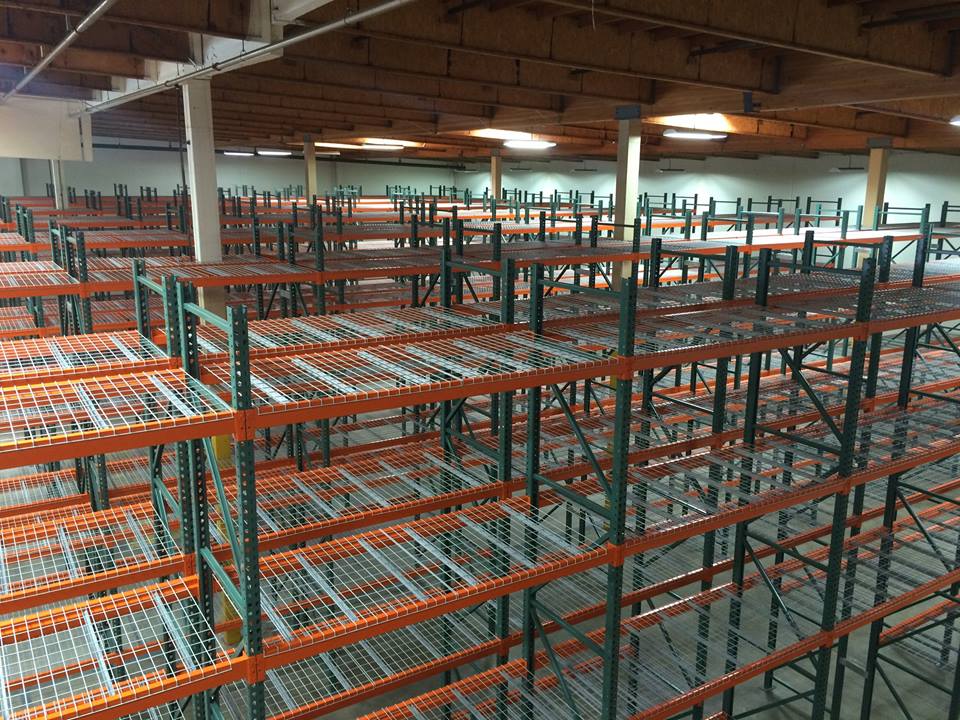
Pallet Rack
Every pallet reachable, every time. The baseline we size everything else against.
View details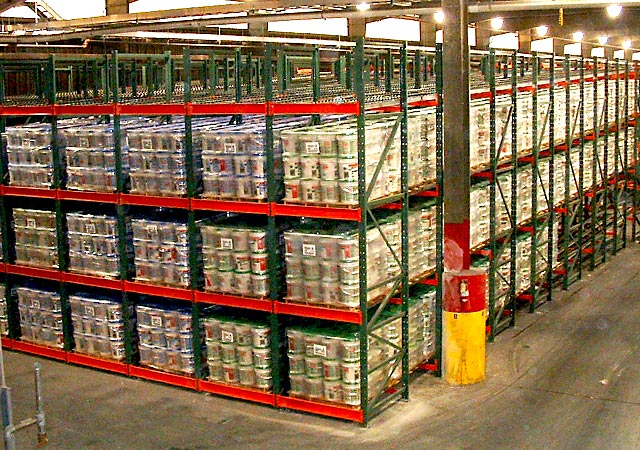
Pallet Flow Rack
Load one side, pick the other, and let gravity enforce first in, first out.
View details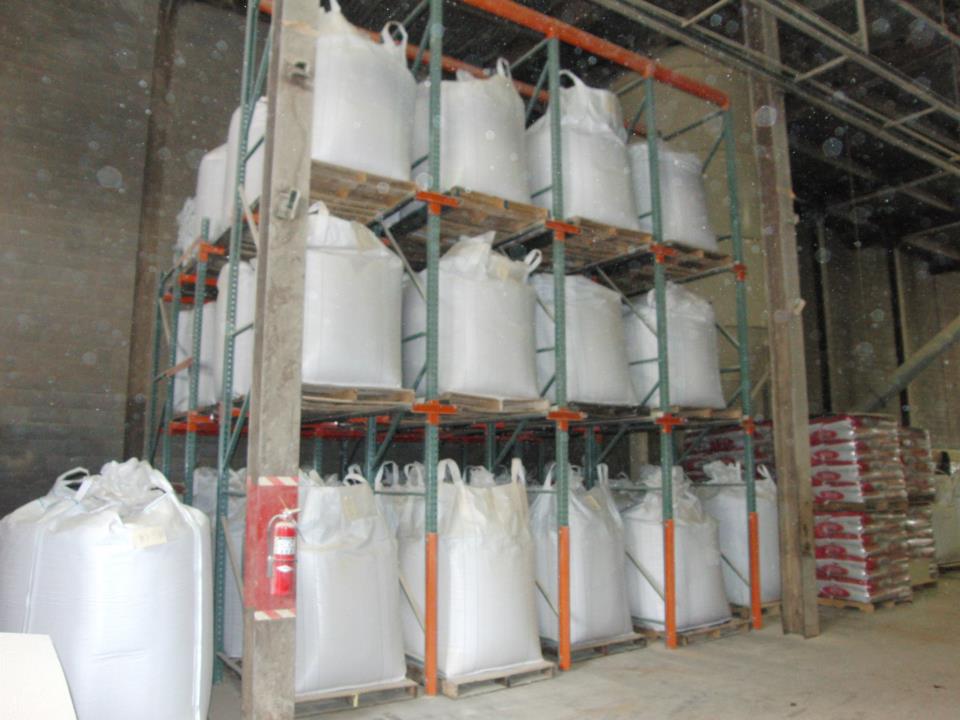
Drive-In Rack
Storage lanes replace internal access aisles. Forklifts enter the structure to handle bulk pallets.
View details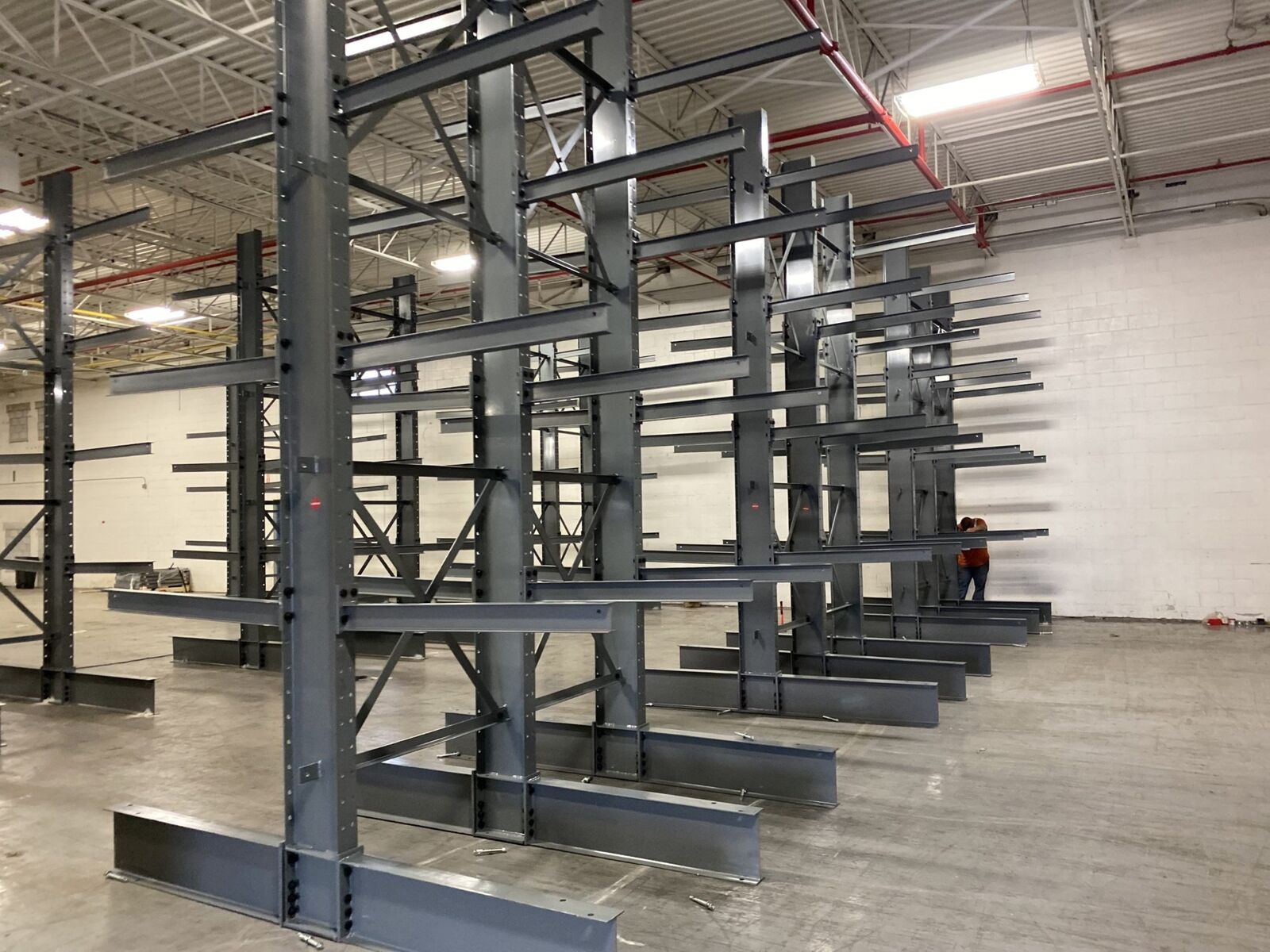
Cantilever Rack
Arms with nothing in front of them, built for lumber, pipe, and anything a pallet can't hold.
View details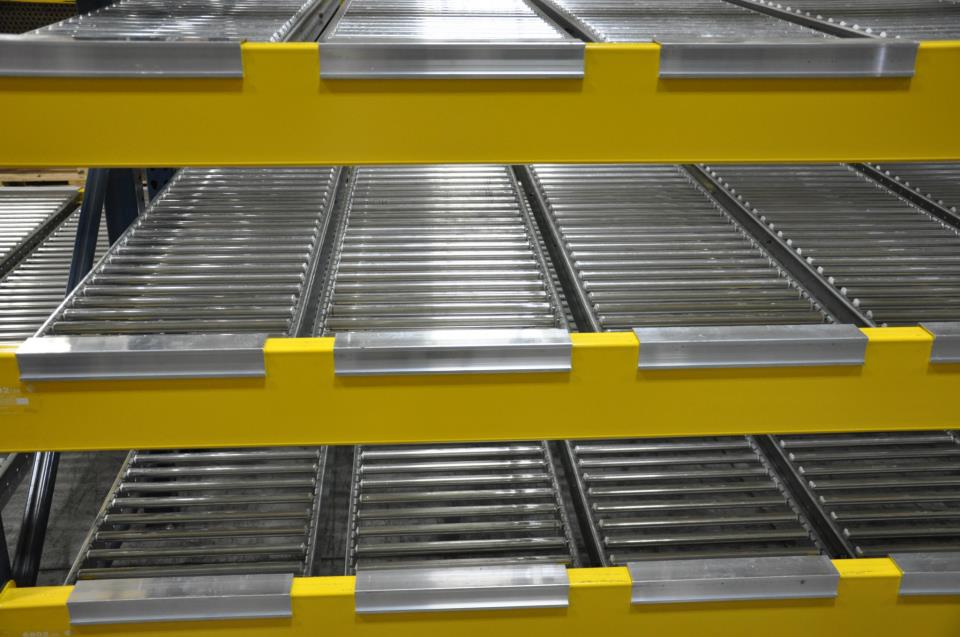
Carton Flow Rack
Cases advance to the picker instead of the picker hunting for cases.
View detailsWarehouse Relocation
Moving buildings without losing the racking plan that already works for your operation.
View detailsNearby Areas We Also Serve
Our delivery and installation territory covers Central Ohio, so one team can handle multiple buildings for the same company.
Where We Work
Located in Columbus, we serve the entire Greater Columbus region with industrial pallet racks and warehouse storage solutions.
Columbus Pallet Rack
Address
4551 Wright Ave.
Unit #2092
Columbus, OH 43213
Phone
614-379-4436Business Hours
Monday - Friday: 8:00 AM - 6:00 PM
Saturday: Closed
Sunday: Closed
Need Pushback Rack in Delaware?
Call 614-379-4436 or request a quote and we will get a layout started.