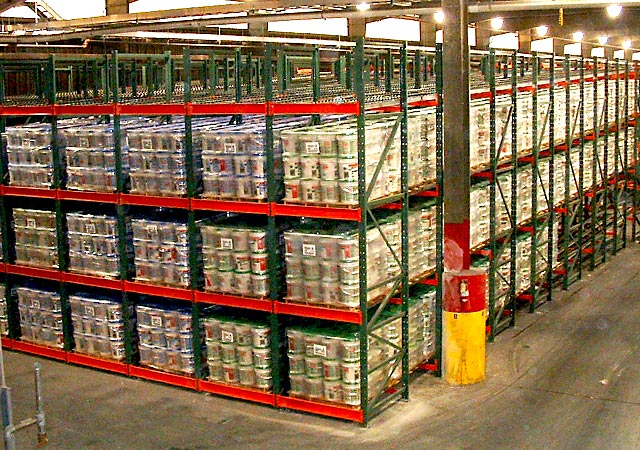
Pallet Flow Rack in Pickerington, OH
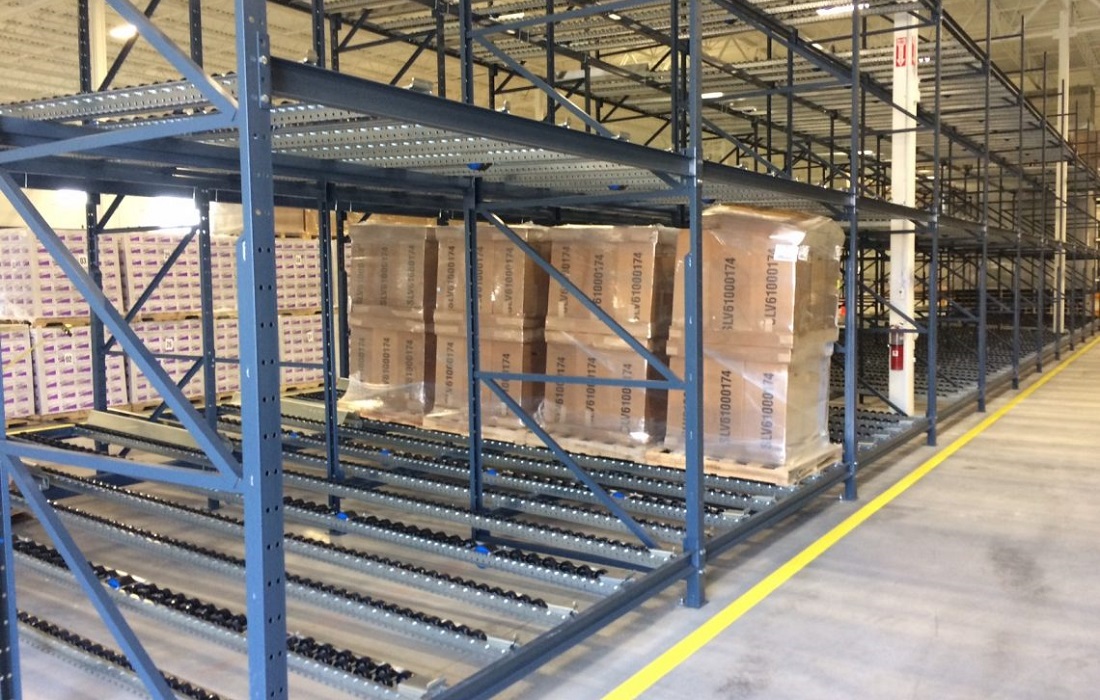
Pallet flow rack in Pickerington can turn finished packaging lots into an orderly dispatch queue. Operators load pallets at the rear, and gravity rollers carry them toward picking at the opposite end. Brakes moderate movement as each withdrawal allows the next pallet to advance in FIFO order.
Contract packaging needs more than a place to accumulate completed work. Pallet flow racking should reflect when a lot becomes available, which order it serves, and how quickly dispatch consumes it. A released, high-volume SKU may suit a dedicated lane; unfinished or mixed allocations may not.
Gravity flow rack from packaging to shipping
The inventory review separates production quantity from dispatch quantity. If packaging completes more pallets than an order can accept, the remaining stock still needs an address and a clear withdrawal sequence. We size lane groups around compatible finished lots rather than treating every day’s output as interchangeable.
Lane slope is selected with the roller arrangement, load range, and braking components. Light finished loads must advance without depending on pressure from following pallets. Heavier loads need controlled travel and suitable discharge behavior, so representative pallet testing may form part of the equipment review.
A pallet flow rack drawing shows rear replenishment aisles, opposite-end picking, lane assignments, and dispatch staging. Around Diley Road corridor and Refugee Road industrial, measured building depth and door positions determine whether the two working faces fit without consuming the space needed to assemble outgoing loads.
Single-face pushback retrieves pallets LIFO and may suit nonsequenced reserve stock, while carton flow serves case picking rather than whole finished pallets. We use experienced installation crews we schedule and manage, coordinating the agreed work sequence around the areas available for rack assembly and lane checks.
Plan the pallet flow rack dispatch sequence
Trace a finished lot
Walk through completion, release, staging, and loading for a representative packaging order. Identify where pallets wait and whether dispatch needs a whole lot together or draws it down across several separate collections.
Compare the pallet formats
List pallet footprints and loaded weights for each packaging program. Photographs of the underside and finished load help identify bearing differences, overhang, or wrapping that could interfere with rollers and lane entry.
Allocate dispatch lanes
We develop pallet flow racking around the number of finished lots that must remain separately accessible. Lane depth then follows expected pallets per compatible group, with attention to the unused positions left after partial dispatch.
Agree the loading routine
Review lane identification, rear loading, discharge withdrawal, and the treatment of incomplete lots. Travel checks with representative loads help establish whether the selected slope and braking arrangement support the planned packaging-to-dispatch handoff.
Pallet flow racking for finished-lot decisions
We examine the handoff between packaging and shipping before choosing lane depth. A long production run can justify deep storage, but several short runs may require additional faces instead. Lot changes, partial dispatches, and residual pallets all affect how much of the proposed storage remains usable.
For gravity flow rack, we ask how finished loads leave the packaging line. Pallet condition, stretch-wrap tails, carton overhang, and weight variation can change travel behavior. Reviewing those features early helps match roller support and speed controllers to the actual dispatch unit rather than an idealized pallet.
Our work connects equipment selection with the way operators release finished lots. As the Columbus division within Warehouse Equipment & Supplies Co., supplying and installing since 1997, we bring the storage layout and installation scope into one discussion without assuming every packaging run belongs in deep storage.
Operations We Rack Around Here
Pickerington’s Diley Road corridor and Refugee Road industrial are useful reference points for building planning. Contract packaging drives the storage decisions here: finished-lot separation, controlled pallet movement, and enough dispatch space beyond the withdrawal face.
Recent Installations
Racking projects completed for warehouses across Central Ohio.


Map your packaging handoff
Send a representative packaging schedule, finished pallet specifications, and a building sketch. We will use the relationship between run size and dispatch demand to discuss lane depth, working aisles, and the equipment scope. Call 614-379-4436.
Columbus Pallet Rack
4551 Wright Ave.
Unit #2092
Columbus, OH 43213
614-379-4436Monday - Friday: 8:00 AM - 6:00 PM
Finished-lot storage questions
Warehouse Storage Services in Pickerington
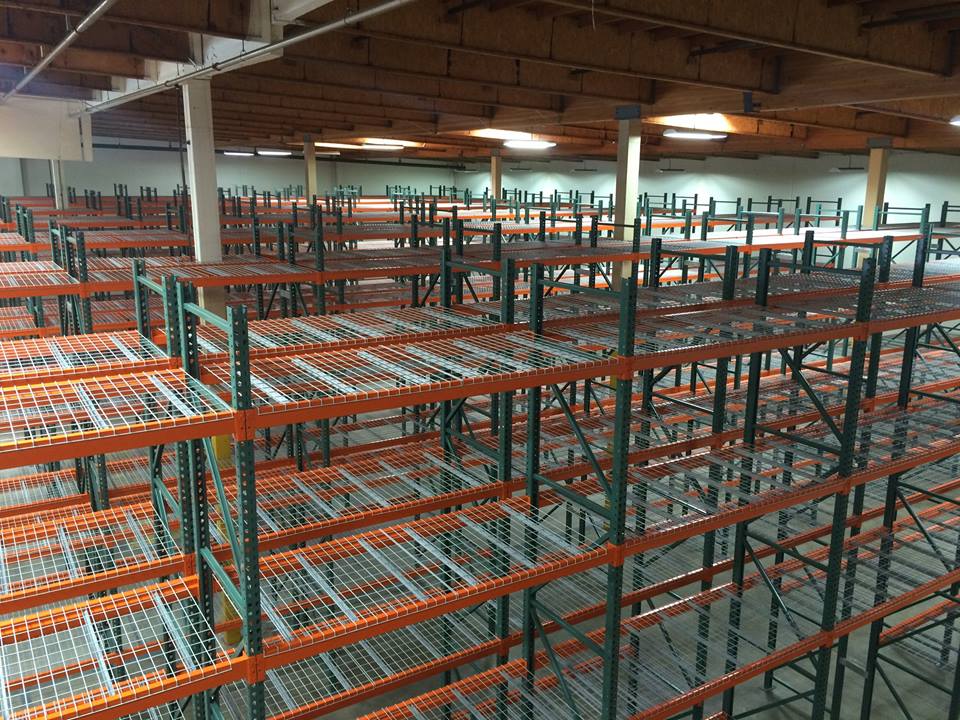
Pallet Rack
Every pallet reachable, every time. The baseline we size everything else against.
View details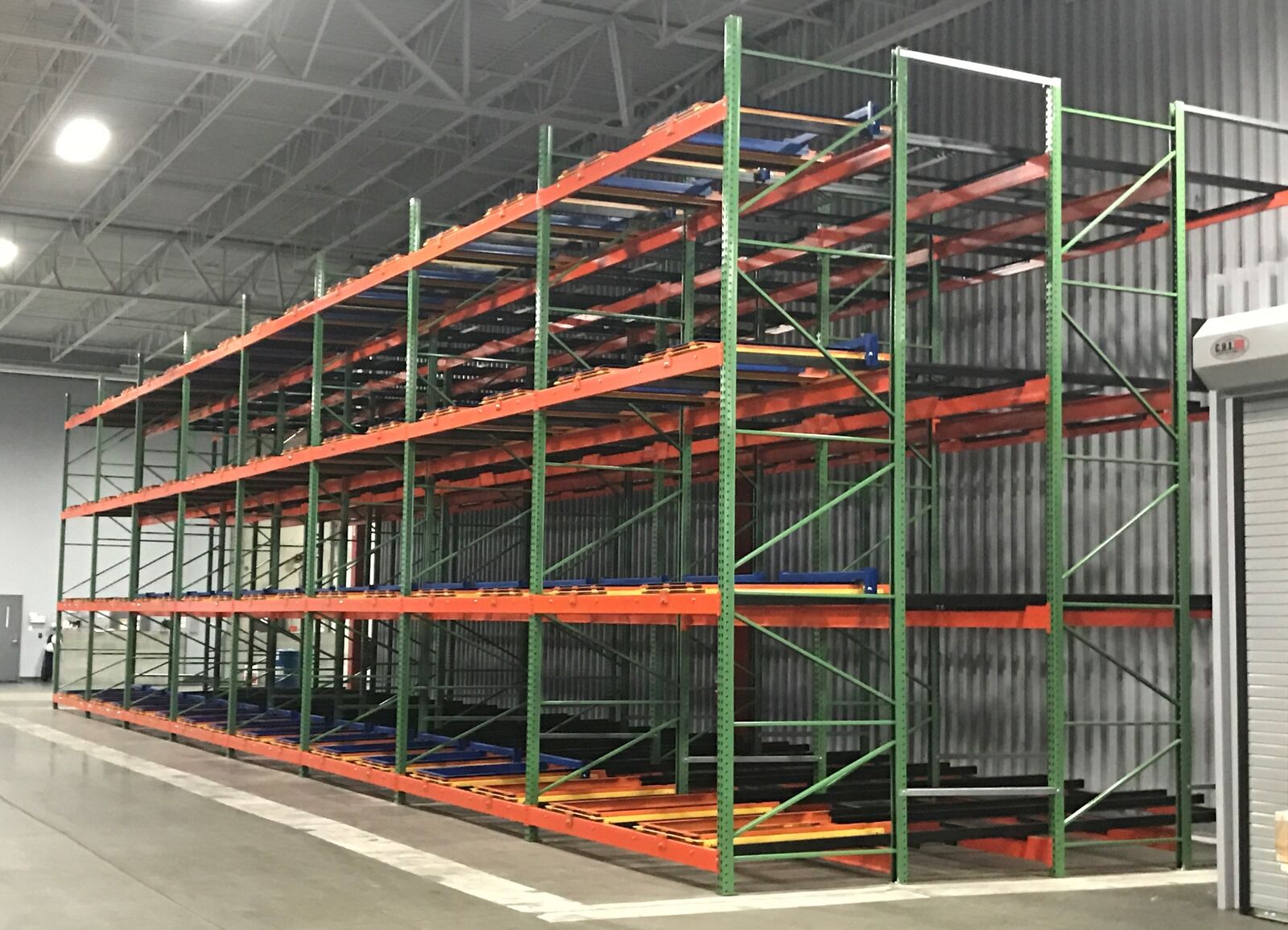
Pushback Rack
Two to six pallets deep from one aisle, without giving up much reach.
View details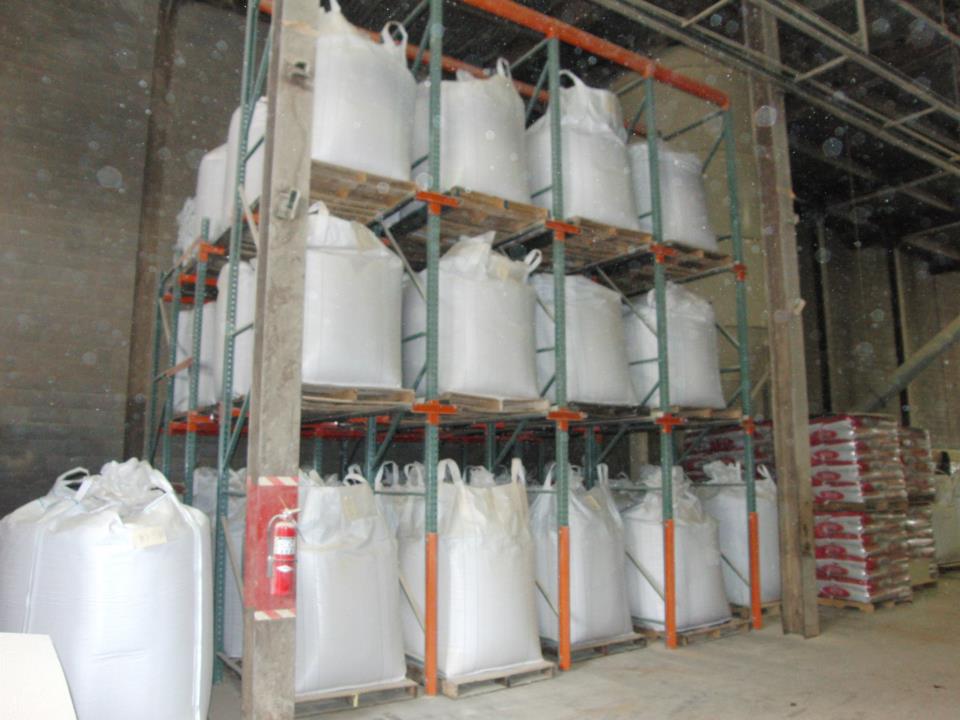
Drive-In Rack
Storage lanes replace internal access aisles. Forklifts enter the structure to handle bulk pallets.
View details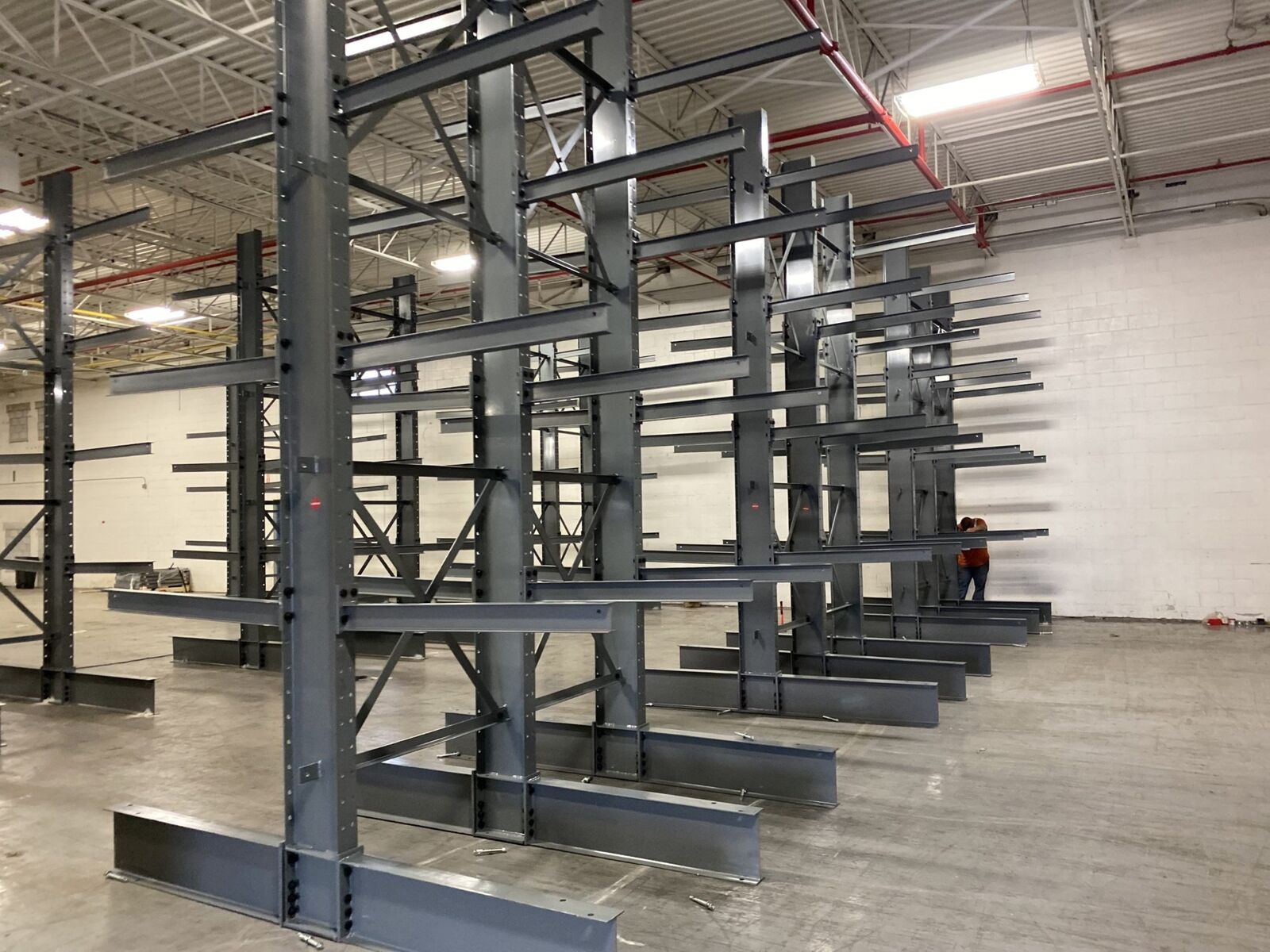
Cantilever Rack
Arms with nothing in front of them, built for lumber, pipe, and anything a pallet can't hold.
View details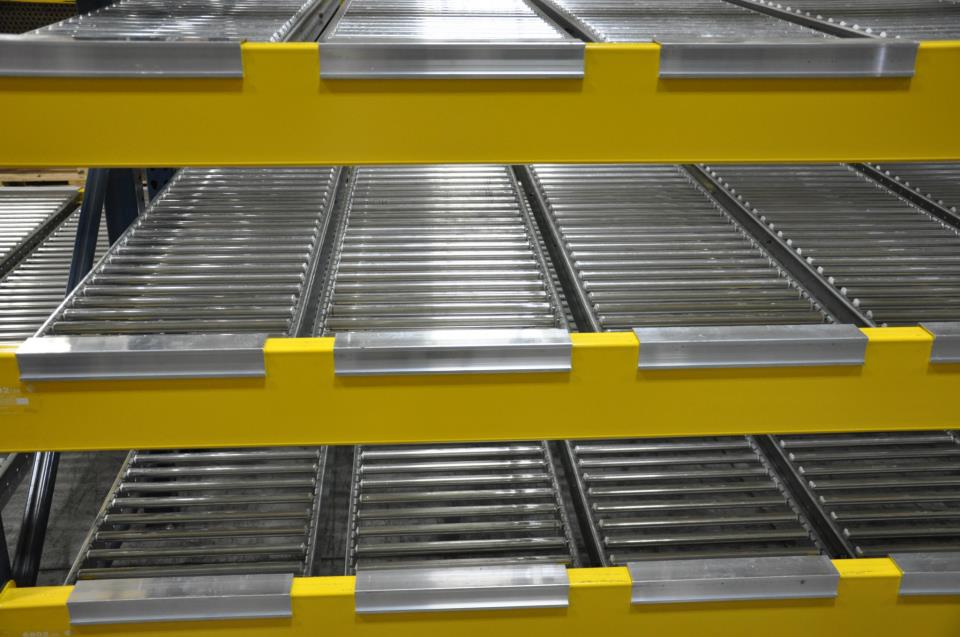
Carton Flow Rack
Cases advance to the picker instead of the picker hunting for cases.
View detailsWarehouse Relocation
Moving buildings without losing the racking plan that already works for your operation.
View detailsNearby Areas We Also Serve
Our delivery and installation territory covers Central Ohio, so one team can handle multiple buildings for the same company.
Where We Work
Located in Columbus, we serve the entire Greater Columbus region with industrial pallet racks and warehouse storage solutions.
Columbus Pallet Rack
Address
4551 Wright Ave.
Unit #2092
Columbus, OH 43213
Phone
614-379-4436Business Hours
Monday - Friday: 8:00 AM - 6:00 PM
Saturday: Closed
Sunday: Closed
Need Pallet Flow Rack in Pickerington?
Call 614-379-4436 or request a quote and we will get a layout started.